

Get a free Quote

208-751-1708

Meridian, Idaho

Commercial Exhaust Hood Cleaning in Meridian Idaho

Importance of Commercial Exhaust Hood Cleaning

A commercial kitchen exhaust system isn’t optional—it’s critical infrastructure for safety, air quality, and compliance. Over time, grease vapors from cookj ing condense on hood surfaces, ductwork, and fans. Undisturbed grease becomes highly flammable, and the resulting particulate can clog filters, reduce airflow, produce odors, and even impair suppression systems.

Consistent cleaning makes sure your system performs as intended: pulling smoke, steam, and grease out of the kitchen fast, maintaining good air flow, protecting staff health, and — most importantly — preventing fire risk. For a busy kitchen in Meridian, this is not a luxury — it’s a baseline safety & compliance requirement.

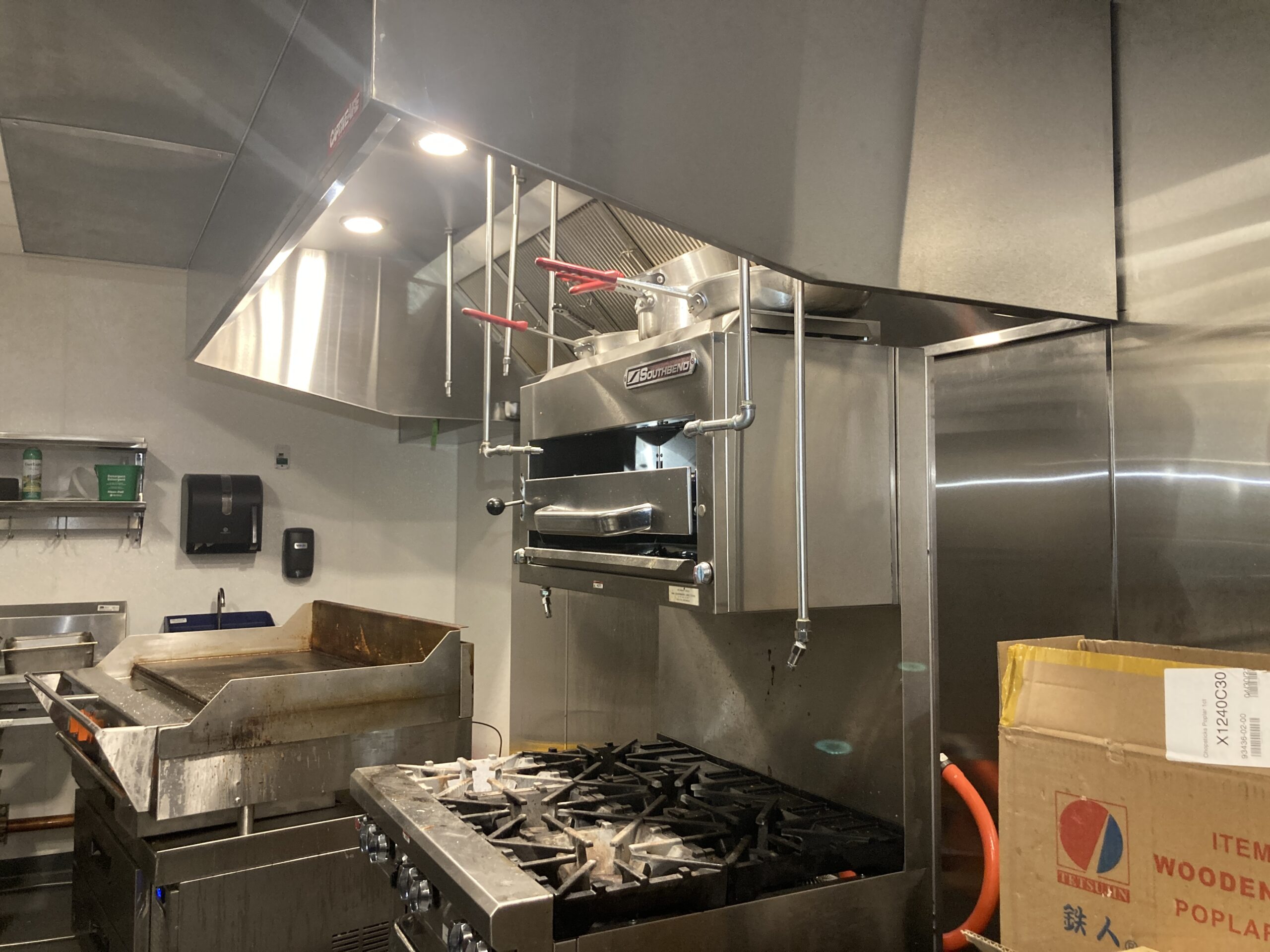
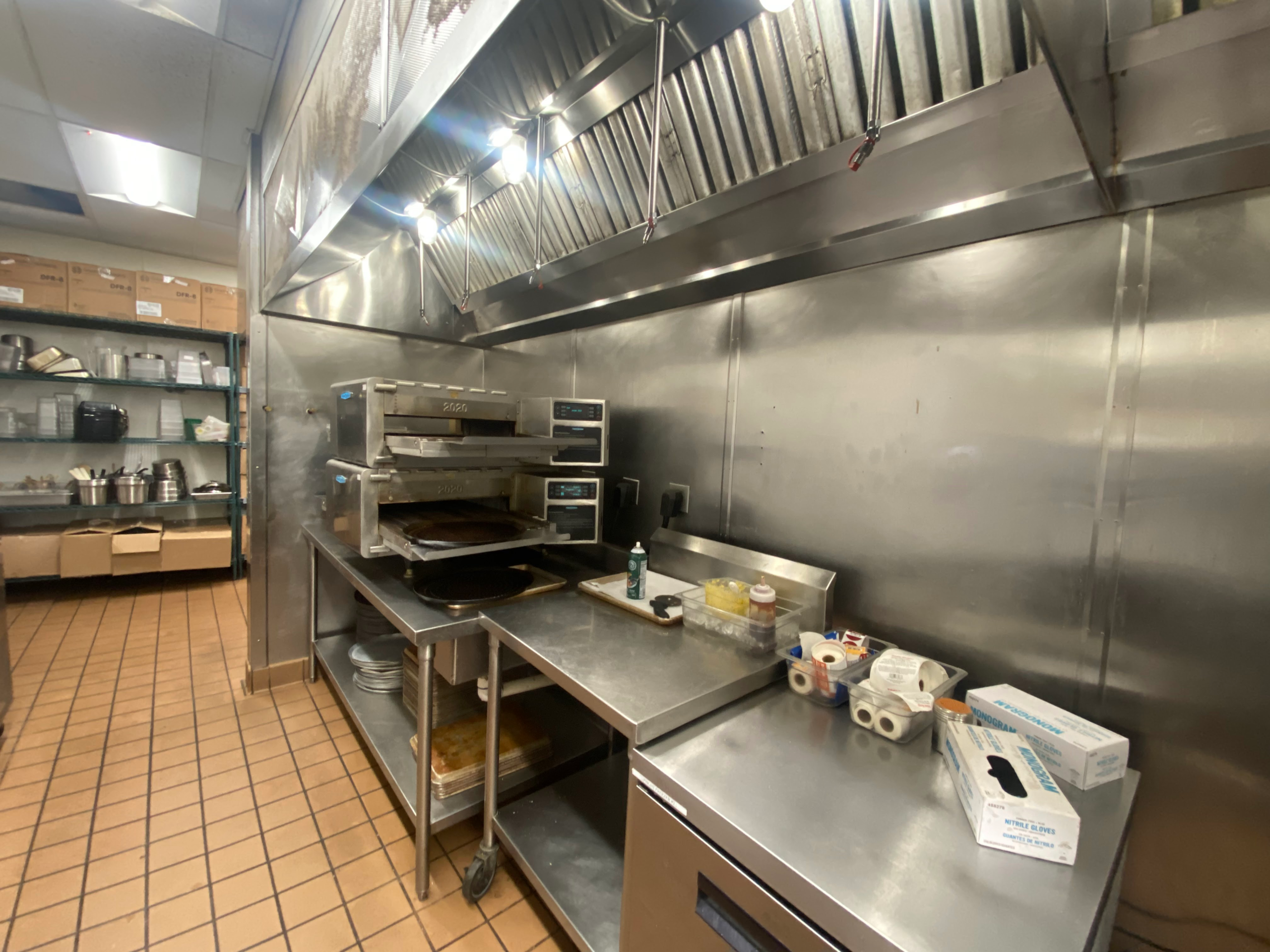
Restaurant exhaust hood cleaned by certified professionals

Understanding NFPA Standards

NFPA 96 (“Standard for Ventilation Control and Fire Protection of Commercial Cooking Operations”) sets the national benchmark for exhaust system design, maintenance, and cleaning. This standard defines both how the system must be built and how often it must be cleaned or inspected — depending on cooking volume and fuel type.

What Must Be Cleaned Under NFPA 96

According to NFPA 96, compliant cleaning must include the entire exhaust system:

  • Hood canopy and interior surfaces (underside, corners, plenum)
  • Grease removal devices/filters — approved, listed grease filters or baffle-type grease removal devices must be present and maintained.
  • All accessible ductwork — horizontal and vertical ducts leading from hood to exhaust fan.
  • Exhaust fan and fan housing (roof or exterior-mounted upblast fans), including blades, housing, and grease containment at rooftop termination. 

In other words: it’s not enough to just wipe the hood — the whole path grease travels must be cleaned.

How Often Must You Clean / Inspect under NFPA 96

Solid-fuel cooking (wood, charcoal, pellet, open flame)

Monthly

High-volume cooking (24-hour kitchens, heavy frying, wok/char-broil, constant grill or fryer use)

Quarterly (every 3 months)

Moderate-volume kitchens (typical sit-down restaurants, regular turnover)

Semi-annually (twice a year)

Low-volume kitchens (church kitchens, seasonal operations, senior centers, light-use facilities)

Annually

Importantly — NFPA 96 considers these the minimum standard. If grease buildup becomes heavy sooner (visible grease, sticky residue, smell, airflow reduction), the system must be cleaned before the next scheduled interval.

Also, NFPA 96 requires that the cleaning be performed by properly trained, certified, and insured personnel or companies acceptable to the Authority Having Jurisdiction (AHJ), i.e. local fire marshal or regulatory body.

Consequences of Neglecting Hood Cleaning

When a hood system isn’t cleaned properly or on time, the risks are real and immediate:

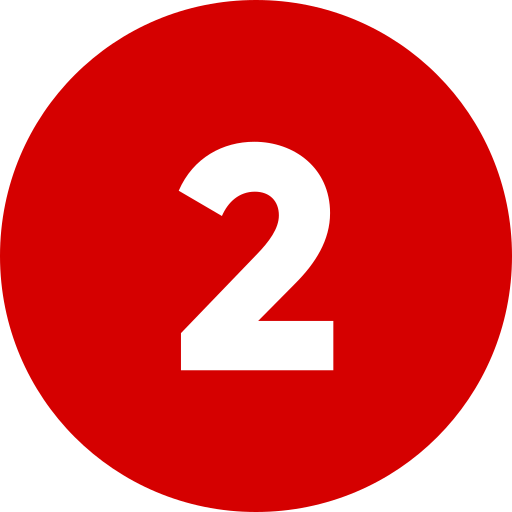
Commercial hood system cleaned inside restaurant kitchen

In short: neglecting proper hood cleaning isn’t just “skipping maintenance.” It’s gambling with safety, compliance, and the future of your business.

Kitchen Exhaust Cleaning Process

Here’s what a professional, code-compliant hood cleaning should include — not just the hood canopy, but everything from hood to roof exhaust fan.

Step-by-Step Cleaning Procedures

Inspection & Setup

  • Confirm access to the entire exhaust pathway (hood, ducts, fan, rooftop).
  • Protect kitchen surfaces, floors, walls, and equipment to avoid overspray or damage.
  • Document existing grease buildup via photos (before) if required.
Hood Cleaning

  • Remove filters/grease traps.
  • Degrease the hood canopy, plenum, and hood interior thoroughly.
  • Clean grease troughs and removable grease cups/trays.

Ductwork Cleaning

  • Scrape grease deposits from interior duct surfaces.
  • Use commercial-grade pressure wash or hot-water degreasing to clean vertical and horizontal duct runs.
  • Ensure grease and residues are fully removed — not just surface cleaning.

Exhaust Fan & Rooftop Unit Cleaning

  • Clean fan blades, housing, and rooftop fan shroud.
  • Remove grease buildup from fan housing and upward exhaust components.
  • Inspect fan belts, motors, electrical connections, and overall mechanical

Filters & Grease Traps

  • Clean or replace filters (baffle or listed grease removal devices).
  • Clean grease trap(s), trays, and grease containment system if applicable.
  • Ensure grease removal devices meet listing requirements (e.g. UL 1046 for filters) if they are not integral to a listed hood.

Rooftop / Exterior Termination Cleaning

  • Remove grease residue at the roof termination point.
  • Check or install grease containment systems (approved grease containers, drains, or retention as per code).

Final Cleanup & Restoration

  • Clean all surrounding kitchen areas (floors, walls, hood exterior).
  • Polish stainless steel surfaces if needed.
  • Ensure no chemical residues or water pools remain — ready for kitchen operation.

Documentation & Reporting

  • Take after photos of all cleaned components (hood, ducts, fan, rooftop).
  • Provide a detailed service report listing what was cleaned, any deficiencies found, and next recommended cleaning schedule.
  • Include a service sticker or certificate with date of cleaning and next due date (often required by local fire authorities).
Benefits of Professional Hood Cleaning

When you search “hood cleaning near me,” here’s what to look for:

Health and Safety Compliance

Professional service ensures you meet NFPA 96 and local code — reducing fire hazards and avoiding violations.

Fire Risk Reduction & Insurance Protection

With grease removed from all surfaces (hood, ducts, fan, rooftop), fire risk is minimized. Insurance claims are more likely to be honored, and compliance violations avoided.

Improved Ventilation & Kitchen Efficiency

Clean ducts and fans improve airflow, reduce smoke and odors, and help HVAC systems run more efficiently — creating a more comfortable environment for staff and customers.

Longer Equipment Life

Removing corrosive grease and providing regular maintenance reduces wear on fans, motors, belts, and ductwork — saving money long-term.

Peace of Mind & Documentation

With before/after photos, detailed reports, and service labels, you get proof of compliance — a shield against fines, inspection issues, and liability.

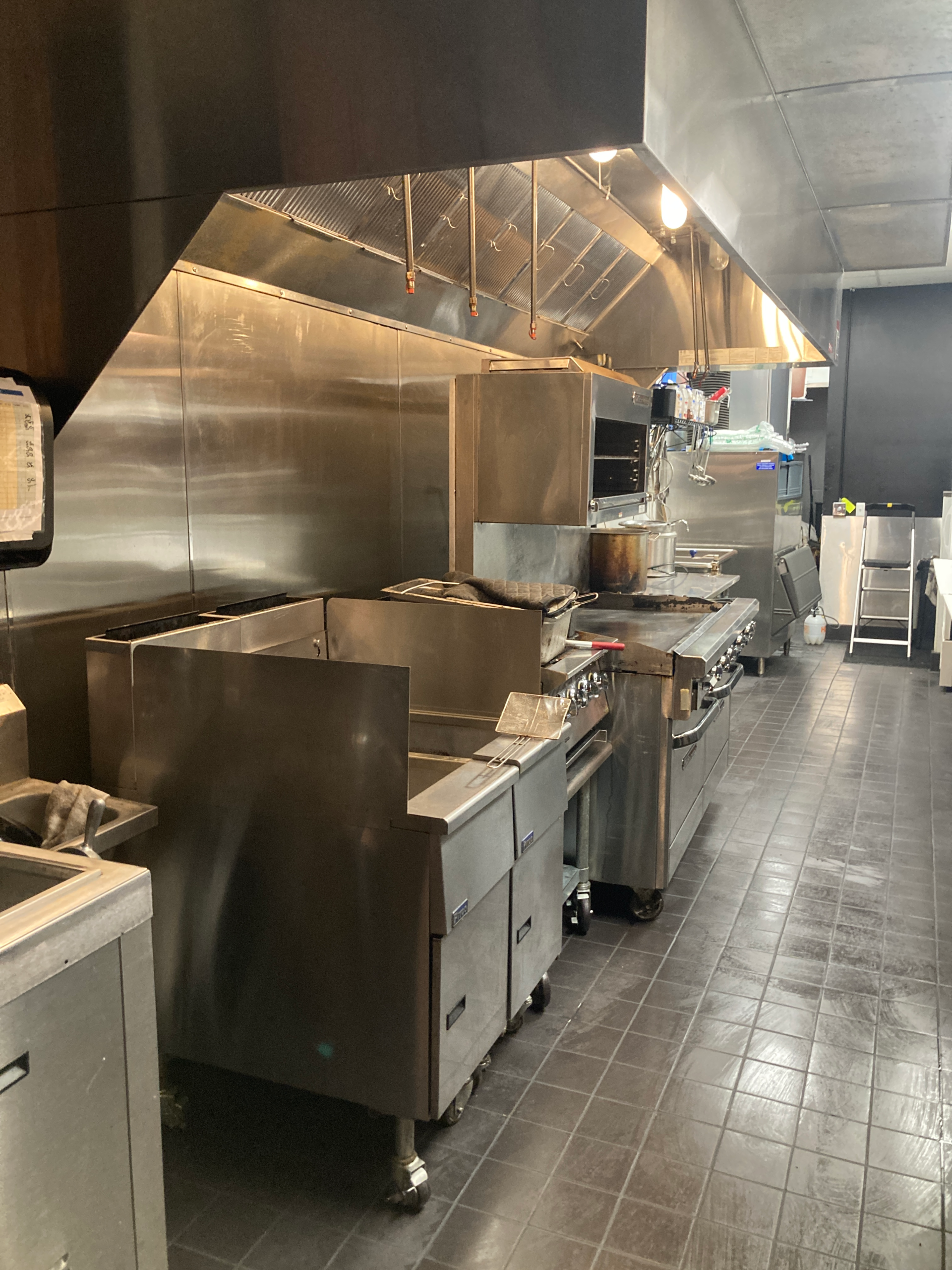
Kitchen hood cleaned to remove grease and residue

Grease Trap Maintenance & Integration

While often separate from hood cleaning, grease traps are closely tied to exhaust system health and kitchen sanitation.

Recommended maintenance schedule:

Combined maintenance keeps both ventilation and plumbing systems running smoothly — especially important for busy Meridian kitchens.

Exhaust System Inspection

A full inspection is just as important as cleaning — it reveals wear, mechanical issues, and potential hazards that grease removal alone won’t fix.

Key Components to Inspect

Common Signs of a Failing Exhaust System

If you see any of these, you’re overdue — call a professional before an inspection or safety hazard arises.

Commercial exhaust hood with grease buildup removed

Get a Free Quote Today!

Keep Your Kitchen Safe, Clean, and Fully Compliant

Protect your staff, your equipment, and your business. Schedule a complete hood cleaning with a trusted local team.

Free Compliance Assessment Included

We'll check your entire system — not just the hood.

No-Obligation Quote, No Contracts Required

Just honest, professional service when you need it.